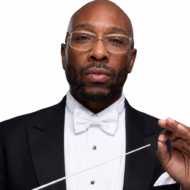
There are film festivals that arrive with a red carpet, a step-and-repeat and a familiar conversation about who is in the room. And then there is MIX FEST, where the room itself is part of the statement: artists, filmmakers and audiences gathering around work that asks cinema to stretch, misbehave, experiment and make space for stories that do not always find a home in the mainstream.
From November 19 through 21, MIX NYC returns for its 39th annual festival of queer experimental film. The three-night program opens at Brooklyn Academy of Music before moving to Dixon Place for two evenings on the Lower East Side. For a festival founded in 1987 by writer Sarah Schulman and filmmaker Jim Hubbard, the return is both a continuation and a reminder: independent queer moving-image culture has a history in this city, and it is still being made in real time.

A festival built for the edges
This year’s lineup includes 23 films from 17 countries, with 16 premieres. MIX NYC reports that 73 percent of the films are directed by women, non-binary and/or trans filmmakers, and 56 percent by People of Color. Those numbers describe more than a demographic snapshot. They point toward a curatorial commitment to whose imagination gets to shape the moving image, and whose work is allowed to challenge the familiar grammar of film.
The program moves between feature-length work, shorts and conversations. Its subjects include desire, romance, chosen family, memory, resistance and the strange emotional architecture of contemporary life. The films are not arranged to make every viewer comfortable. They are assembled to make room for complexity, contradiction and formal invention.

Opening night at BAM
Thursday, November 19 begins at BAM, 30 Lafayette Avenue in Brooklyn. The opening feature is Maja Čule’s debut Electronic Witches (Elektroničke Vještice), screening at 6:30 p.m. The film follows Neda, newly arrived in New York from Zagreb, as she navigates housing, financial precarity and a complicated relationship with her father abroad. The festival describes a world of fortune tellers, locked doors, multimedia collage and dream sequences, all circling an obsession with two women who advocated for women’s internet literacy in the 1990s.
A second program begins at 9 p.m., pairing short works under the title Throbbing Hearts and Unzipped Zippers. The sequence returns to themes that have long animated queer cinema—desire, sex, romance and love—while giving filmmakers room to approach them through sharply different forms.

Two nights at Dixon Place
On Friday, November 20, the festival moves to Dixon Place, 161A Chrystie Street. The evening opens at 6:30 p.m. with Diego Semerene’s Portrait of the Father at 71, a feature that revisits a creative task given to the filmmaker’s father two decades earlier: to play the role of Semerene’s various lovers on screen. Later programming expands the idea of family beyond biology, into the chosen, ancestral and complicated ties that shape a life.
Saturday, November 21 continues at Dixon Place, with closing-night films exploring apocalyptic visions, late-capitalist anxieties and the possibility of resistance. The festival’s closing celebration, MIX: ON THE EDGE, extends the experience into a multi-floor gathering of experimental sound, moving images, art and performance, with programming scheduled until 4 a.m.

Why this gathering matters
New York has always made room for art that arrives before the institutions know what to call it. MIX has spent nearly four decades supporting filmmakers who use the moving image to question inherited categories and invent new visual languages. Its longevity matters, but so does its willingness to keep changing: this year’s program brings together work from across the world while remaining rooted in a distinctly New York tradition of artistic independence.
For audiences, the invitation is not simply to watch a collection of films. It is to enter a conversation about what cinema can hold when artists are free to take risks. The Q&As are part of that invitation. So is the chance to encounter a film that may unsettle, delight or stay with you long after the lights come up.

Plan your visit
MIX FEST 2026 runs November 19–21. Opening night: BAM, 30 Lafayette Avenue, Brooklyn, NY 11217. November 20–21: Dixon Place, 161A Chrystie Street, New York, NY 10002. Consult the festival’s official schedule for program details and tickets: mixnyc.org.
Photography note: Images in this feature are illustrative cinema and production photographs, not documentary images of MIX FEST or its filmmakers.
Mood Magazine NYC — official culture guide, stories worth stepping into.