
Harlem’s Voice, Heard Around the World
Remembering the legendary soprano who helped change the face of opera
Some voices fill a concert hall. Others change the way the world hears an entire community.
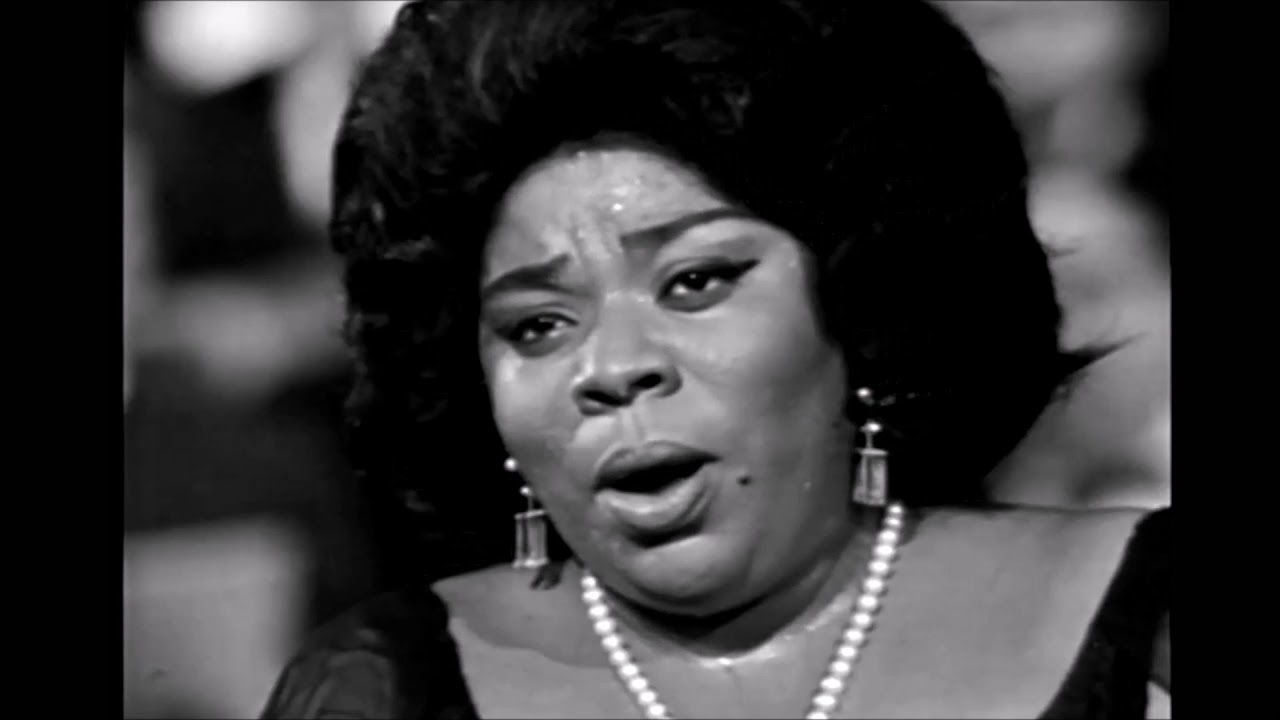
Martina Arroyo possessed a voice that could command the great opera stages of the world, but her story began in Harlem. Her journey from New York City classrooms and church choirs to the Metropolitan Opera, La Scala, and other celebrated international stages was more than a remarkable artistic achievement. It was part of a larger history of Black excellence challenging the boundaries of an art form that had not always welcomed Black performers equally.
Arroyo died on October 13, 2026, at her home in Manhattan. She was 90 years old. With her passing, the opera world loses one of its distinguished dramatic sopranos, and Harlem loses a daughter whose accomplishments carried its name across the globe.

A Harlem Beginning
Born and raised in Harlem, Arroyo grew up surrounded by music. Her mother, Lucille Washington, was an amateur pianist who introduced her daughter to the piano. Arroyo sang in church choirs, participated in school musical activities, and developed an early love of performance.
She attended Hunter College High School and continued her education at Hunter College, where she earned a degree in Romance languages. That academic choice was also practical. She wanted to strengthen her language skills for a career in opera, where singing in Italian, French, German, and other languages is central to the work.
Her path was not simply a story of extraordinary talent meeting immediate opportunity. As a young Black woman pursuing classical music in the 1950s, Arroyo entered a profession where racial barriers remained deeply entrenched. Her achievement required discipline, preparation, and the determination to keep moving toward a stage that had not historically offered equal access to everyone.
In 1958, she won the Metropolitan Opera’s Auditions of the Air. The following year, she made her official Metropolitan Opera debut as the Celestial Voice in Verdi’s Don Carlo. What followed was a career that would take her to major opera houses and concert halls across Europe and the Americas.

The Night Everything Changed
One of the defining moments of Arroyo’s career came in February 1965, when the Metropolitan Opera asked her to step in for the celebrated soprano Birgit Nilsson in the title role of Verdi’s Aida.
The opportunity came with little notice and enormous expectations. Arroyo rose to the occasion, delivering a performance that helped establish her as one of the company’s leading sopranos. Aida would become one of her signature roles, associated with the power, color, and dramatic force of her voice.
Her career continued to grow beyond that defining evening. She performed leading roles in works by Verdi, Puccini, Mozart, Wagner, and other composers, bringing her artistry to some of the world’s most prestigious stages.
At the Metropolitan Opera, she performed approximately 200 times across 20 seasons. She also achieved an important milestone as the first Black woman to portray Elsa in Wagner’s Lohengrin at the Met.
These accomplishments matter not simply because they were firsts. They matter because every barrier broken changes what can be imagined by the next generation. Each time Arroyo stood on an international stage and delivered at the highest level, she helped make it harder for the world to argue that Black artists did not belong there.

More Than a Voice
Arroyo’s legacy cannot be measured by performances alone. She was also known for her warmth, exuberant personality, and sense of humor. Her public presence challenged the familiar stereotype of the distant, untouchable opera diva. She could be a commanding artist onstage and an engaging, funny human being away from it.
That combination is worth remembering. Greatness does not require a person to surrender their personality. Excellence and accessibility can exist together. Serious artistry can coexist with joy.
Her achievements also received national recognition. In 2010, she received the National Endowment for the Arts Opera Honors, and in 2013 she was recognized with a Kennedy Center Honor for her contribution to American culture.
But perhaps one of the most important chapters of her story began when she turned more of her attention toward the future of the art form.

Leaving the Door Open
In 2003, Arroyo founded the Martina Arroyo Foundation to help prepare emerging opera singers for professional careers. Through training and development, the organization carried forward a principle that her own life had demonstrated: talent needs opportunity, and opportunity is strengthened when experienced artists help the next generation prepare for its moment.
That legacy has particular meaning for Harlem.
Harlem has produced artists whose work has shaped music, literature, dance, theatre, and visual culture around the world. Yet the story of cultural achievement must be about more than celebrating the names that have already become famous. It must also be about creating the conditions for the next generation to learn, train, perform, and thrive.
For young singers, especially those who may never have imagined themselves in opera, Arroyo’s journey offers a powerful example. A young person can begin in a neighborhood church, discover a gift, pursue serious training, and ultimately stand on a world stage. That possibility does not eliminate the obstacles, but it gives young artists a reason to believe the obstacles need not determine the ending.
For organizations committed to music education and performance, her life also offers a reminder: the stage and the classroom belong in the same conversation. We honor a great artist not only by remembering what she accomplished, but by investing in those who will follow.
Harlem Must Remember Its Own
When a Harlem-born artist achieves international recognition, the world often celebrates the global accomplishment. Harlem should celebrate the entire journey: the neighborhood that helped shape the artist, the education that developed the talent, the persistence that carried the dream forward, and the generosity that can make the next dream possible.
Martina Arroyo’s life connected all those chapters. She was a Harlem daughter, a formidable soprano, a barrier-breaking performer, and a mentor to emerging artists. Her story belongs in the history of opera, but it also belongs in Harlem’s own cultural memory.
As we mourn her passing, we should listen again. Listen to the recordings. Learn the history. Tell young people who she was. Make room for opera in the cultural life of our community, not as something distant or reserved for a select few, but as an art form in which everyone can find beauty, drama, and human truth.
Arroyo helped demonstrate that a voice from Harlem could command the world’s greatest stages. Her legacy asks us to make sure that the next voice has somewhere to begin.
The curtain has fallen on a remarkable life. The work of carrying her legacy forward remains.
QUESTION OF THE DAY
What does Harlem owe the artists who take our stories and talents to the world, and how can we make sure the next generation has the training, opportunities, and support to follow?
STAY IN THE MOOD
Keep listening. Keep learning. Keep opening doors.
Martina Arroyo’s legacy reminds us that talent can begin anywhere, that barriers can be challenged, and that true greatness creates possibilities for others.
Honor the voice. Remember the journey. Support the next generation.
Stay inspired. Stay connected to culture. Stay in the Mood.