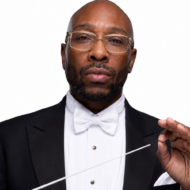

Harlem has reinvented itself before. Now, a new generation is building what comes next.
There is a moment in every great cultural movement when a community stops looking backward and begins imagining forward.
Harlem knows that moment well.
Nearly a century ago, the Harlem Renaissance transformed New York City and changed the way the world understood Black creativity. Writers, musicians, artists, performers, intellectuals, entrepreneurs, and visionaries turned Harlem into one of the most influential cultural communities in modern history.
The Renaissance was not simply an artistic movement.
It was a declaration.
Harlem was saying: We are here. We have something to say. We are creating. We are building. Come see what we are doing.
Today, that spirit is returning.
The Harlem Renaissance Rebirth, a major cultural tourism vision associated with the Harlem Tourism Board, asks a powerful question:
What happens when Harlem’s next Renaissance is built intentionally?
The answer is beginning to take shape across the neighborhood.
And one of the places where that rebirth will become tangible is the Booker T. Washington Community Center at 325 E 101st Street, where community classes will begin in January 2027.

THE NEXT RENAISSANCE NEEDS A CLASSROOM
Every Renaissance begins with people.
And people need places to learn.
That is why the classroom is so important to the Harlem Renaissance Rebirth.
The original Renaissance produced extraordinary artists because Harlem was filled with places where ideas could circulate. People gathered. They debated. They performed. They wrote. They taught. They listened.
The next Renaissance requires that same exchange.
The Booker T. Washington Community Center is becoming part of that story by creating a space where community members can gather for classes, cultural programming, artistic development, and education.
The goal is bigger than filling a calendar.
It is about creating a pipeline.
A person enters a classroom and discovers an interest.
That interest becomes a skill.
The skill becomes confidence.
Confidence becomes creativity.
And creativity becomes culture.
That is how a Renaissance grows.

HARLEM AS A DESTINATION
The Harlem Renaissance Rebirth is also about changing the way people experience Harlem.
Tourism is often described as sightseeing.
But cultural tourism can be something much deeper.
It is participation.
Visitors should not simply come to Harlem to look at history. They should come to experience a living culture that continues to create history.
They should be able to hear music, experience opera, discover artists, eat extraordinary food, shop with local businesses, attend performances, meet creators, explore neighborhoods, participate in classes, and understand the stories behind the places they visit.
And then they should leave wanting to come back.
That is the opportunity.
Harlem does not have to sell a museum version of itself.
Harlem can sell the Harlem that is happening now.

FROM THE ORIGINAL RENAISSANCE TO THE REBIRTH
The original Harlem Renaissance gave the world names, works, movements, sounds, and ideas that remain influential today.
But the greatest tribute to that period is not simply remembering it.
It is continuing it.
The Harlem Renaissance Rebirth recognizes that culture does not stop.
It evolves.
A new generation of artists is creating.
New businesses are opening.
New cultural partnerships are developing.
New audiences are discovering Harlem.
And institutions are creating new pathways for people to participate.
The Booker T. Washington Community Center becomes part of this ecosystem.
So do Harlem Collective Opera, Harlem Boys Choir, Harlem Chamber Orchestra, Mood Magazine, and the many artists, educators, entrepreneurs, restaurants, galleries, cultural organizations, hotels, and community institutions contributing to Harlem’s next chapter.
This is not one organization creating a Renaissance.
It is an ecosystem.

THE COMMUNITY IS THE ATTRACTION
There is another important distinction.
The Harlem Renaissance Rebirth is not simply about attracting people to Harlem.
It is about investing in the people who already make Harlem what it is.
That means creating opportunities for young people.
It means giving artists places to work.
It means supporting Black-owned businesses.
It means creating cultural programming.
It means connecting education with tourism.
It means making Harlem a place where visitors can spend a day, a weekend, or longer while contributing to the neighborhood’s cultural economy.
And it means ensuring that residents remain central to the story.
The most compelling tourism experience is always authentic.
Harlem does not have to manufacture authenticity.
It has it.
The work is making sure people can find it, experience it, and participate in it.

WHY JANUARY MATTERS
When the community classes begin at Booker T. Washington Community Center in January 2027, the significance goes beyond the first class on the calendar.
It represents an investment in the future.
Because a Renaissance cannot survive on nostalgia.
It needs students.
It needs teachers.
It needs artists.
It needs audiences.
It needs entrepreneurs.
It needs institutions.
Most importantly, it needs people willing to believe that what they create today can become part of Harlem’s history tomorrow.
That is the meaning behind the Harlem Renaissance Rebirth.
The Renaissance is not something that happened once.
It is a tradition of reinvention.
And Harlem is ready to reinvent itself again.

SURVIVING HARLEM
Maybe that is what Surviving Harlem really means.
It is not simply about surviving the pressures of a changing city.
It is about surviving by creating.
By teaching.
By remembering.
By building.
By welcoming new people without losing the old stories.
By giving young people the tools to become the next generation of artists, entrepreneurs, educators, performers, and cultural leaders.
The Harlem Renaissance Rebirth is an invitation to see Harlem differently.
Not as a neighborhood trapped in its greatest historical moment.
But as a neighborhood still making history.
And the next chapter may begin somewhere surprisingly simple:
A classroom.
A community center.
A student discovering a new talent.
An artist finding a stage.
A visitor discovering a neighborhood beyond the guidebook.
A business owner welcoming a new customer.
A child hearing a story that makes them understand where they come from and imagine where they can go.
That is rebirth.
That is tourism with purpose.
That is culture in motion.
And that is Harlem Renaissance Rebirth.
STAY IN THE MOOD
Don’t just visit Harlem. Experience its rebirth.
Learn something. Discover something. Meet someone. Create something.
Because Harlem’s Renaissance is not behind us.
It is happening again.