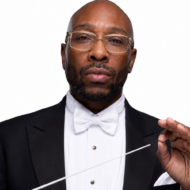

When Excellence Becomes Armor”
By Jarvus Ricardo Hester | Mood Magazine NYC
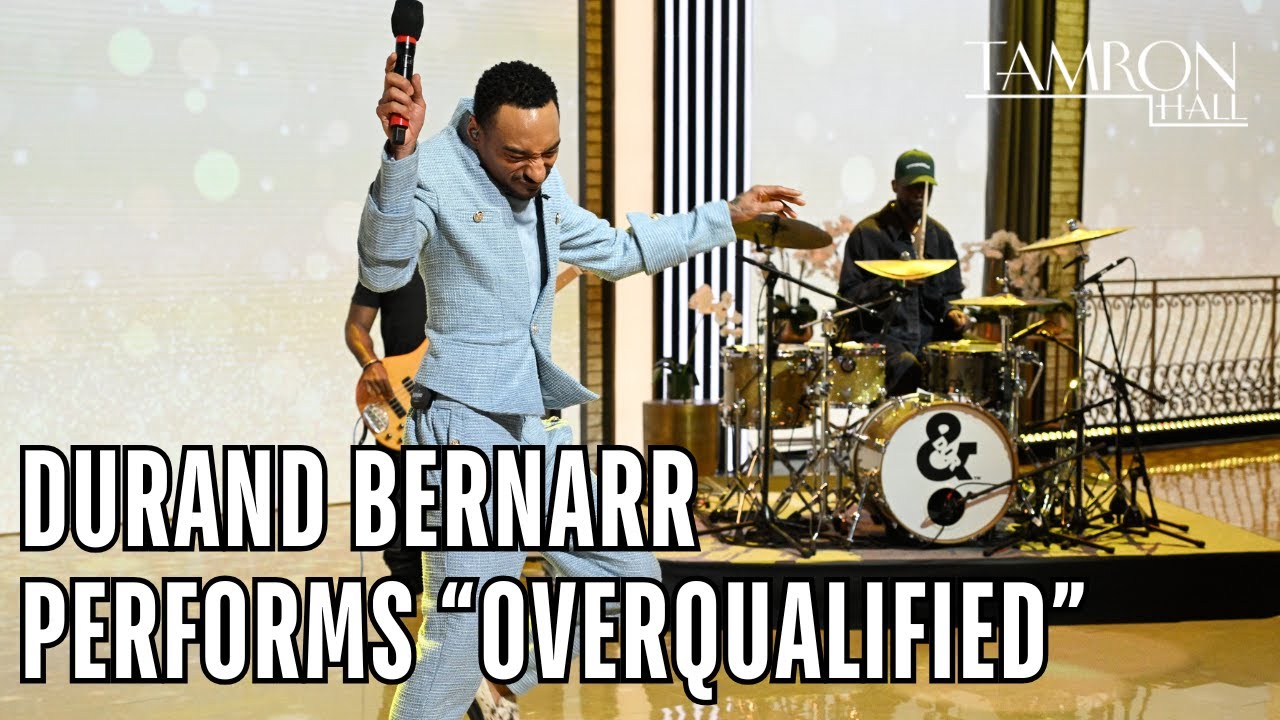
I didn’t expect to cry listening to Durand Bernarr’s Overqualified.
But there it was—buried inside a velvet vocal run, laid beneath the beat like a secret.
This isn’t just a song. It’s a mirror. And for anyone who’s ever had to prove their worth twice just to be seen once, it hits different.
Durand doesn’t just sing—he declares.
The truth. My truth. Our truth.
“I’m not difficult, I’m just overqualified.”
Say that again. For the culture. For the people who’ve been told their confidence is arrogance, their talent is “too much,” their boundaries are bad attitudes.
As a Black man—and a gay Black man at that—I know this terrain all too well. The world doesn’t give us softness, so we have to grow our own. It doesn’t give us room, so we shape-shift just to fit. And when we finally find our voice, we’re punished for how loudly it sings.
This song reminds me: We are not too much. We’ve been too prepared.
Our mothers told us we had to work twice as hard.
Our fathers carried pride on their backs like armor.
We were not raised—we were forged.
In a system designed to erase us, excellence became our protest.
But it’s deeper than that.
We live in a world that demonizes Black culture while obsessively trying to duplicate it.
They steal our slang. Our rhythm. Our lips. Our hips.
They copy the sauce, then call it something new.
And through it all, we rise—not just because we want to, but because we were trained to.
Trained to outsing.
Outdance.
Outshine.
Outlast.
Overqualified is the soundtrack to this paradox.
And then there’s Beethoven.
A man whose brilliance shaped the foundation of Western classical music.
A man who, according to several theories and pieces of evidence, may have been of African descent.
Let that sink in:
The godfather of European music may have been Black.
Historians and scholars have long debated Beethoven’s ancestry. Several descriptions of him during his life referenced his “dark skin,” “broad flat nose,” and “woolly hair.” In the 19th century, portraits of him were deliberately lightened. Some even speculate that Beethoven’s family lineage traces to Moorish or African roots.
Whether or not the claim is ultimately proven, the erasure is real. The pattern is clear.
White supremacy doesn’t just kill—it rebrands.
It steals brilliance and sells it back without the soul.
So when Durand Bernarr sings like a sermon in satin, I hear the whole damn ancestral choir behind him.
This song is about dating. It’s about self-worth.
But it’s also about survival.
About what it means to live in a body that’s constantly questioned but eternally gifted.
It’s about knowing you’re magic… even when they act like you’re invisible.
It’s about walking away from people who don’t see you and saying,
“You’re not losing me. You’re losing access to something you couldn’t afford.”
This isn’t ego. This is liberation.
And Durand?
You didn’t just give us a bop.
You gave us a mirror.
And for once, we’re not shrinking inside the reflection.
We’re standing tall.
Full voice.
Overqualified.
SIDEBAR: Who Is Durand Bernarr?
A Neo-Soul Supernova with No Genre Limitations
Durand Bernarr is what happens when technical brilliance meets undeniable Black joy. An unapologetically queer singer, songwriter, and performer, Bernarr blends neo-soul, funk, jazz, gospel, opera, and pure comedic timing into a genre-defying force that can’t be boxed in.
Raised by a musical family—his father was an audio engineer for legends like Earth, Wind & Fire—Durand was practically born in the studio. But his rise came on his own terms, starting with YouTube covers and self-released projects that gained viral traction for their honesty, soul, and sass.
He went on to tour as a background vocalist with Erykah Badu (who called him her “son”), opened for Anderson .Paak, and earned a devoted fanbase who call themselves “Durians.” His music often tackles relationships, identity, mental health, spirituality, and sex—with the kind of wink that says, “Don’t get it twisted—I got range.”
His 2020 breakout album DUR& and follow-up BLOOM cemented him as one of the boldest, most original voices in modern soul. And with Overqualified, he’s not just singing—he’s testifying.
Quick Facts:
– From: Cleveland, Ohio
– Known for: 6-octave vocal range, fearless stage presence, and signature glasses
– Queer icon: Blends flamboyance with depth and emotional honesty
– Sounds like: If Prince, Luther, and Badu had a podcast, and it sang