
From Migration to Mastery: Harlem’s Cuisine as Cultural Memory

Harlem’s food is history you can taste. Every plate served in Harlem carries echoes of movement — from Southern farmlands…
1 Min Read 0 338

Harlem’s food is history you can taste.

Every plate served in Harlem carries echoes of movement — from Southern farmlands to Northern cities, from Caribbean islands to African homelands. Harlem cuisine is not a trend; it is a record of survival, adaptation, and excellence passed down through generations.

The Great Migration transformed Harlem into a culinary crossroads. African Americans arriving from the South brought recipes shaped by necessity and ingenuity. Caribbean immigrants layered spices, techniques, and traditions onto an already rich foundation. Over time, Harlem’s kitchens became sites of cultural fusion, where memory and innovation met.

Food sustained Harlem’s artistic community. Writers ate cheaply but communally. Musicians fueled long nights with familiar flavors. Restaurants became informal headquarters where art was debated, critiqued, and refined. A meal was never just sustenance — it was fellowship.

As Harlem weathered economic shifts, its food culture endured. Family-owned restaurants survived through loyalty and reputation. Recipes were guarded like heirlooms. Even as gentrification threatened displacement, Harlem’s culinary institutions held their ground, asserting cultural ownership through flavor.

Today’s Harlem Foodie Scene reflects both preservation and progress. Traditional soul food establishments coexist with contemporary chefs redefining African diasporic cuisine. Vegan reinterpretations, Afro-fusion menus, and global influences demonstrate that Harlem food continues to evolve without losing its soul.

What distinguishes Harlem’s cuisine is intention. Food here is prepared with awareness — of who came before, who is being fed, and what is being preserved. Chefs operate not just as business owners but as cultural stewards.

Mood Magazine treats Harlem food as cultural journalism. We document recipes alongside stories, chefs alongside communities. Because to understand Harlem fully, one must understand how it eats — and why.
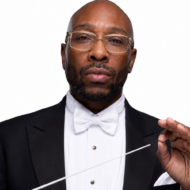

Jarvus Ricardo Hester

JARVUSHESTER

Jarvus Ricardo Hester Founder, Artistic Director, Editor-in-Chief, and Cultural Storyteller Jarvus Ricardo Hester is an opera singer, arts administrator, media executive, and entrepreneur dedicated to making the arts more accessible while preserving and amplifying the stories that shape communities. He is the Founder and Artistic Director of Harlem Collective Opera, Harlem Boys Choir, and the Harlem Chamber Orchestra, organizations committed to expanding access to classical music through innovative performances, educational initiatives, and community engagement. As Editor-in-Chief of Mood Magazine NYC and the founder of the Mood Media Network, Hester oversees a growing multimedia ecosystem that includes WHRL Mood Radio Harlem, The Morning Show NYC, After Hours NYC, and Mood TV. Through these platforms, he curates stories that explore culture, travel, wellness, food, literature, business, and the arts from Harlem to communities around the world. An alumnus of the University of North Carolina School of the Arts, Hester has performed with professional opera companies and has dedicated his career to reimagining how audiences experience classical music. His work consistently bridges the worlds of performance, journalism, tourism, education, and community development. His signature initiative, The Black Composer Project, celebrates the contributions of Black classical composers through immersive concert experiences that combine music, storytelling, and historical exploration. Whether through a live performance, a magazine feature, a radio broadcast, or a community partnership, Hester's work is guided by a simple philosophy: Stories create connections. Art builds communities. Culture preserves legacy. Harlem to the world. Be a part of the story.
Verified by MonsterInsights