
Empty Beds, Full Paychecks: How Private Prisons Profit From the Decline of Incarceration

In a nation that claims justice as its foundation, a chilling contradiction is quietly unfolding. As incarceration rates begin to…
1 Min Read 0 343

In a nation that claims justice as its foundation, a chilling contradiction is quietly unfolding. As incarceration rates begin to fall — a sign of progress, reform, and second chances — private prison corporations are sounding the alarm. Not because fewer people are losing their freedom, but because profits are shrinking.

For decades, federal and state agencies signed contracts with private jail operators that guarantee a minimum number of filled beds. Whether 80%, 90%, or — in some cases — a full 100%, taxpayers are on the hook for empty cells. Imagine paying rent on an apartment you don’t live in — now multiply that by millions.

This structure doesn’t just encourage incarceration as a business strategy. It requires it.

The model functions like a closed loop — our dollars feed a system that demands bodies, which reinforces the very policing practices communities are trying to dismantle. Even when courts reform sentencing, and even when local activists successfully reduce arrests, the financial machine insists:
“Fill the beds.”

And who suffers most?
Black communities, immigrant families, and young people whose futures are treated as corporate revenue streams.

The moral crisis is unmistakable. In a just society, progress should be celebrated — not penalized. But in America’s incarceration economy, justice has become a market force. And whenever freedom threatens profit, profit fights back.

Mood Magazine stands in Harlem — a community that knows the weight of policing and the cost of silenced futures. We ask:
What does liberation look like when freedom is bad for business?

This is not simply a policy debate. It’s a generational reckoning with the value of a human life — and who gets to define it.

Mood will continue to follow this story, elevating the communities building a future where hope replaces quotas — and where fewer people behind bars is good news for everyone.

Jarvus Ricardo Hester
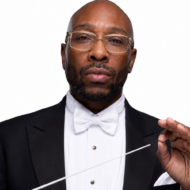
Jarvus Ricardo Hester

JARVUSHESTER

Jarvus Ricardo Hester Founder, Artistic Director, Editor-in-Chief, and Cultural Storyteller Jarvus Ricardo Hester is an opera singer, arts administrator, media executive, and entrepreneur dedicated to making the arts more accessible while preserving and amplifying the stories that shape communities. He is the Founder and Artistic Director of Harlem Collective Opera, Harlem Boys Choir, and the Harlem Chamber Orchestra, organizations committed to expanding access to classical music through innovative performances, educational initiatives, and community engagement. As Editor-in-Chief of Mood Magazine NYC and the founder of the Mood Media Network, Hester oversees a growing multimedia ecosystem that includes WHRL Mood Radio Harlem, The Morning Show NYC, After Hours NYC, and Mood TV. Through these platforms, he curates stories that explore culture, travel, wellness, food, literature, business, and the arts from Harlem to communities around the world. An alumnus of the University of North Carolina School of the Arts, Hester has performed with professional opera companies and has dedicated his career to reimagining how audiences experience classical music. His work consistently bridges the worlds of performance, journalism, tourism, education, and community development. His signature initiative, The Black Composer Project, celebrates the contributions of Black classical composers through immersive concert experiences that combine music, storytelling, and historical exploration. Whether through a live performance, a magazine feature, a radio broadcast, or a community partnership, Hester's work is guided by a simple philosophy: Stories create connections. Art builds communities. Culture preserves legacy. Harlem to the world. Be a part of the story.
Verified by MonsterInsights