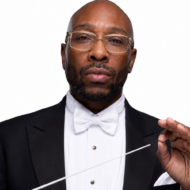

Harlem artists inherit responsibility.
They are not merely performers or creators; they are cultural translators. From the Renaissance to today, Harlem artists have shaped how African American life is seen, heard, and remembered.
Art in Harlem has always responded to circumstance. Poetry confronted erasure. Music articulated longing and hope. Performance affirmed dignity. Harlem artists understood that art was a form of truth-telling.
Today’s Harlem artists operate within a global landscape but remain grounded locally. Opera singers trained through Harlem institutions carry cultural nuance onto international stages. Choir members learn discipline and collective excellence. Visual artists respond to urban change with intention and critique.
What unites Harlem artists across generations is purpose. Art is not detached from community. It is accountable to it.

Mood Magazine documents Harlem artists not as isolated talents, but as participants in a lineage. We explore process, context, and impact — because artistry without history is incomplete.
To support Harlem artists is to invest in cultural continuity. Their work ensures that Harlem’s voice remains present, relevant, and powerful