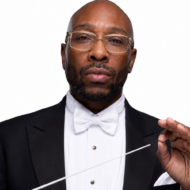

Why I Only Wear Black Designers Now
By Ellis Monroe | Fashion & Black Business Contributor, Mood Magazine
It started as a challenge.
Could I dress myself entirely in Black-owned fashion for one month?
No exceptions. No last-minute Zara. No Amazon detours. Just pieces crafted by Black designers, stylists, and visionaries.
By week two, it wasn’t a challenge.
It was a conviction.
Because once you realize how many Black hands have sewn elegance into fabric — how many have bent over machines, sketched on napkins, hustled through trade shows, launched brands out of living rooms — you stop settling for fast fashion. You start seeking out artistry. You begin to wear your values.
And for me, that became non-negotiable.
Let me be clear: this isn’t just about clothes. This is about choosing intention. It’s about disrupting cycles of invisibility with every outfit. It’s about standing in front of my mirror in the morning and knowing: Somebody who looks like me made this for somebody like me.
When I first stepped into Harlem Haberdashery, I understood what fashion could feel like. It wasn’t just about custom suits or couture. It was about lineage. About hip-hop and high church. About threads that told stories — of family, legacy, survival, and flex.

Same with Undra Celeste New York. Her elevated workwear isn’t just stylish — it’s strategic. It announces that we belong in boardrooms and in beauty. I’ve worn her blazers to interviews, gallery openings, first dates. Every time, I felt like my best self had already walked in the room before I even said hello.
Then there’s Kahindo — a brand that doesn’t whisper African elegance, but shouts it. Bold patterns. Ethical sourcing. Each piece is a geography lesson in pride.
These designers — and so many others — are not creating trends. They are creating culture. They are honoring the past while designing the future. And they’re doing it while fighting for shelf space, visibility, and investment that they should’ve had long ago.
Fashion has always been political.
It has always been a declaration.
And Harlem? Harlem has always understood that.
We’ve been styling since before style had a name. From the dapper Dan days to the block-party slay, we’ve treated sidewalks like runways. We’ve worn protest, pride, power, and prayer all at once. So to live here and not honor Black fashion is to miss the whole point.
I’ve noticed something else, too. Since I’ve made this shift, people ask about my clothes more. Where’d you get that? Who made it? There’s curiosity. There’s conversation. There’s a quiet education happening, every time I name a designer they’ve never heard of — but should have.
This isn’t about exclusion. It’s about expansion.
It’s about making space for us, by choosing us.
Because if we don’t wear our own, who will?
So now, my closet is full of stories.
My shoes speak.
My jackets remember.
My collars carry pride.
And no, it’s not always easy. Black-owned fashion isn’t always the most accessible. Sometimes it costs more — and it should. That extra dollar? It pays for a dream, not just a delivery.
So I save. I prioritize. I make it happen.
Because we deserve to wear legacy.
Not just on red carpets, but on random Tuesdays.
Not just when it’s trending, but when it’s true.
Not just in celebration, but as ceremony.
I wear Black designers now.
Because I can.
Because I must.
Because every stitch reminds me that we are not only worthy — we are exquisite.
And the world should see us that way.