East Harlem Has Rhythm, and This Time, It’s Making the First Move
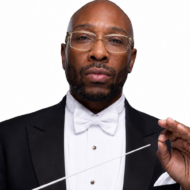
At Rhythmic Arts Center NYC, Bessie Award-winning artist Nicholas Young is turning tap shoes, African drums, movement, and a little New York magic into East Harlem’s newest cultural love affair.
By Mood Magazine NYC
In New York City, we’re always looking for a connection.
We look for it across crowded subway platforms, over overpriced cocktails, through dating apps, and occasionally in the eyes of a stranger who happens to be holding the last available seat at a fabulous restaurant.
But somewhere between swiping right and rushing downtown, I couldn’t help but wonder: What if the connection we’ve been searching for isn’t with another person at all? What if it’s with our own rhythm?
Apparently, East Harlem has been asking the same question.
Tucked away at 175 East 105th Street, in the heart of El Barrio, Rhythmic Arts Center NYC is doing something that feels wonderfully rebellious in a city obsessed with keeping up.
It’s encouraging people to find their own beat.
And the man behind this particular New York love story? Nicholas Young, a choreographer, musician, Bessie Award recipient, and someone who understands that sometimes the most interesting conversations happen without a single word being spoken.
Because, let’s face it, in a city where everyone has something to say, perhaps it’s time we let our feet do a little talking.

A Man Who Knows How to Make an Entrance
Every great New York story has a leading man.
Some arrive in tailored suits. Others arrive with mysterious intentions and an emotionally unavailable attitude that could fill an entire season of television.
Nicholas Young arrived with rhythm.
His love affair with movement began long before East Harlem entered the picture. At just 16, he joined Tapestry Dance Company in Austin, Texas, eventually becoming a principal dancer and resident choreographer.
While most teenagers were navigating awkward first dates and questionable fashion decisions, Young was developing a relationship with music and movement that would eventually take him around the world.
Then came STOMP.
From 2003 to 2013, Young performed with the internationally celebrated theatrical production, taking on a lead role and serving as rehearsal director for its American tour.
If you’ve ever seen STOMP, you know the premise is deliciously simple.
Take ordinary objects. Add extraordinary imagination. Throw in a little attitude.
Suddenly, a broom isn’t just a broom. A trash can isn’t just a trash can. And the everyday sounds of city life become something resembling a symphony.
It’s the kind of transformation New Yorkers understand instinctively.
After all, we’ve been turning chaos into culture for generations.
Young’s creative journey also led him to choreographer Michelle Dorrance and Dorrance Dance, where he served as Associate Artistic Director.
His work contributed to productions including ETM: The Initial Approach, ETM: Double Down, the Guggenheim Rotunda Project, and Elemental at BAM.
And in 2014, he received a Bessie Award for his contributions to music composition and sound design.
Not exactly a résumé you casually slip into conversation over brunch.
But perhaps the most interesting thing about Young isn’t where he’s performed.
It’s what he’s decided to create.

The Studio That Refuses to Be Just a Studio
New York has no shortage of dance studios.
There are studios where you learn choreography, studios where you discover muscles you didn’t know existed, and studios where you spend half the class wondering whether everyone else received the instructions in advance.
Rhythmic Arts Center NYC is offering something a little different.
This isn’t simply a place to learn a few steps before your cousin’s wedding.
It’s a space where rhythm becomes a way of exploring culture, creativity, and community.
Inside, a handcrafted maple sprung floor takes inspiration from Brenda Bufalino’s legendary Woodpeckers Studio. Professional sound equipment, recording capabilities, and an intimate black-box performance environment make the center as welcoming to working artists as it is to curious newcomers.
One afternoon might belong to tap dancers.
Another could be filled with the unmistakable energy of Senegalese Sabar drumming.
Later, someone might arrive for yoga, breathwork, meditation, or a gong sound bath.
And somewhere in between, an artist might be developing the next performance that has New York talking.
The possibilities feel wonderfully unpredictable.
Which, come to think of it, is exactly how a good New York romance should feel.
You walk in expecting one thing.
You leave having discovered something entirely different.

When Africa Meets Harlem, the Conversation Gets Interesting
Of course, rhythm has never belonged to just one place.
It travels.
Across oceans, across generations, through neighborhoods, and into the bodies of people who may never have met but somehow recognize the same musical language.
And nowhere is that conversation more fascinating than in Harlem.
Tap dance, with its deeply rooted African American history, is an art form built on innovation, improvisation, and the ability to turn movement into music.
It’s also a reminder that Black American culture has given the world far more than entertainment.
It has given the world languages of expression.
At Rhythmic Arts Center NYC, that legacy shares space with West African traditions, including Senegalese Sabar drumming and dance.
Through its connection with Africa Afia and master Senegalese percussionist Ibrahima “Thioko” Diagne, the center provides opportunities to experience rhythmic traditions through instruction, cultural exchange, and performance.
And I found myself thinking about something.
In New York, we love to consume culture.
We buy tickets. We take pictures. We post the evidence. We announce that we’ve had an experience.
But how often do we actually participate in the traditions we’re celebrating?
How often do we allow ourselves to become students again?
There’s something beautiful about entering a room where the goal isn’t to impress anyone.
It’s simply to listen, learn, and find your place in the rhythm.
No filters required.
Can Rhythm Be the City’s New Wellness Ritual?
Now, let’s talk about something every New Yorker desperately needs.
A little peace.
Between the rent, the traffic, the deadlines, and the emotional gymnastics of modern relationships, living in this city can sometimes feel like participating in an Olympic event nobody trained for.
And while we love our wellness trends, the endless search for balance can become exhausting in itself.
One week, we’re drinking green juice.
The next, we’re buying crystals.
By Friday, we’re wondering whether the answer was simply turning off our phones.
Rhythmic Arts Center NYC approaches wellness through movement, sound, and mindful engagement.
Its programming includes yoga, breathwork, meditation, and gong sound baths alongside dance and percussion.
It’s a refreshing reminder that taking care of ourselves doesn’t always have to involve expensive retreats or elaborate routines.
Sometimes it begins with being present.
With listening.
With moving.
With allowing the body to participate in something other than the daily race from one obligation to another.
Music and movement can create opportunities for relaxation, social connection, and creative expression. And although no single class can promise to solve life’s problems, there’s something appealing about a space that encourages people to reconnect with themselves.
Especially in a neighborhood where music and movement have always been part of everyday life.

East Harlem Doesn’t Need Permission to Be Fabulous
Here’s what I love most about this story.
For generations, East Harlem has been one of New York’s great cultural neighborhoods.
Its streets have carried the sounds of Latin music, jazz, gospel, African rhythms, hip-hop, and countless other expressions of communities that have made El Barrio their home.
Culture here isn’t something invented for tourists.
It’s something lived.
And yet, in a city where cultural attention can be strangely selective, neighborhood creative spaces don’t always receive the recognition they deserve.
That’s why places like Rhythmic Arts Center NYC matter.
They offer artists somewhere to rehearse, teach, experiment, and perform.
They give residents opportunities to discover creative practices close to home.
They create opportunities for independent artists to collaborate, develop work, and build audiences.
And perhaps most importantly, they remind us that a neighborhood’s cultural future doesn’t have to be imported from somewhere else.
It can grow right here.
On East 105th Street.
Behind a studio door.
On a wooden floor.
In a room filled with people discovering what happens when their individual rhythms become something collective.
And isn’t that what New York has always been about?
Millions of different people, each moving to their own beat, somehow creating one extraordinary city.
The Best Relationships Have Rhythm
There’s a certain magic in finding a place that makes you feel like you belong.
Not because you’re the best dancer in the room.
Not because you know the right people.
And certainly not because you arrived wearing the right shoes.
But because you’re willing to participate.
Nicholas Young has spent a career exploring what happens when music, movement, and imagination come together.
With Rhythmic Arts Center NYC, he’s creating a place where others can explore those possibilities for themselves.
For the professional dancer, it may be a space to experiment.
For the musician, a place to collaborate.
For the curious newcomer, an invitation to try something unfamiliar.
And for East Harlem, it’s another reminder that the neighborhood’s cultural story is still being written.
One beat at a time.
As I thought about Young’s journey, I couldn’t help but wonder whether we’ve been approaching rhythm all wrong.
Maybe rhythm isn’t about keeping up with everyone else.
Maybe it’s about discovering what moves us.
Because in a city that never stops moving, the real luxury might be finding a moment when movement actually means something.
And somewhere on East 105th Street, there’s a room waiting to remind us how.
The Mood: Forget chasing the next big thing downtown. East Harlem already has a beat, and this time, the invitation isn’t just to watch the performance. It’s to become part of it.
Explore Rhythmic Arts Center NYC
Address: 175 East 105th Street, New York, NY 10029
Website: https://www.rhythmicartscenternyc.com/
Instagram: @rhythmicartscenternyc
Discover: Tap dance, body percussion, African drumming and dance, creative workshops, movement, meditation, and performances. Check the center’s current schedule for availability.
Question of the Day
In a city where everyone seems to be moving at a different speed, I couldn’t help but wonder: Are we really dancing to the rhythm of our own lives, or have we spent so much time keeping up with everyone else that we’ve forgotten what our own music sounds like? Perhaps the next time life feels a little out of step, the answer isn’t to move faster, find a new partner, or change the song. Maybe it’s simply to stop, listen, and remember that the most beautiful rhythm is the one that makes us feel completely ourselves. So tell me, New York, when was the last time you truly danced to your own beat?
Stay in the Mood
And if there’s one thing East Harlem continues to teach us, it’s that the best experiences in life aren’t always the ones we plan. Sometimes they’re the ones we stumble into, somewhere between a familiar street corner and an unexpected invitation to try something new. So take the class, meet the artist, follow the music, and give yourself permission to be wonderfully, unapologetically offbeat. Because New York isn’t just a city we live in. It’s a city we create, one experience, one connection, and one unforgettable rhythm at a time. And wherever the music takes you next, remember to stay curious, stay connected, and above all, Stay in the Mood.